

Asolo Luminary Award
Tony-winners Lynn Ahrens and Stephen Flaherty
By: Jay Handelman - Mar 13, 2026
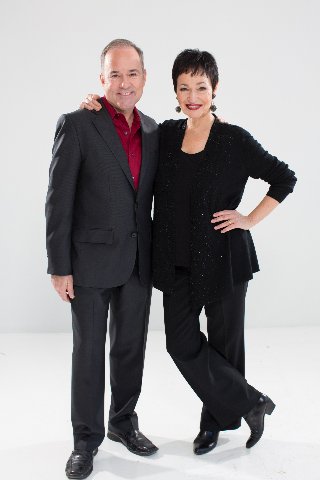
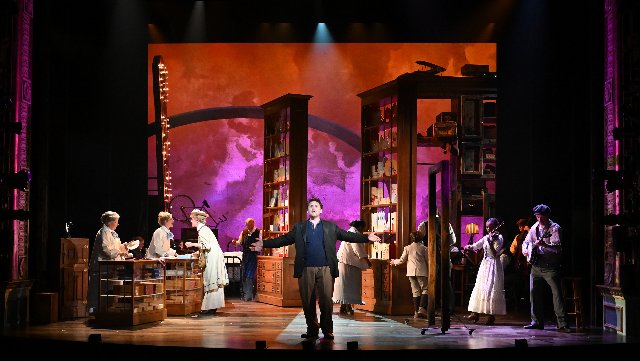
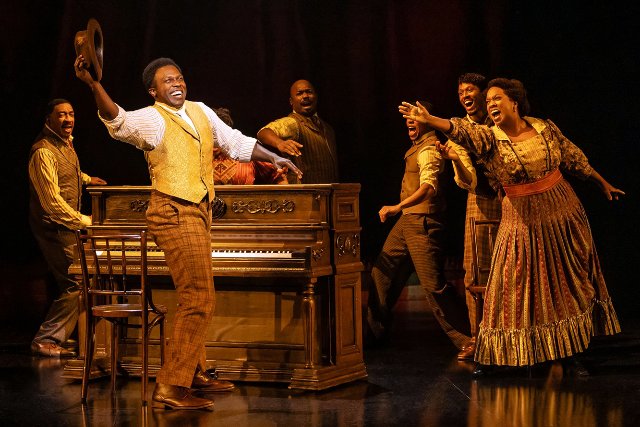
Since they first met at a musical theater workshop in 1982, Lynn Ahrens and Stephen Flaherty have become two of the most important contributors to musical theater. They won Tony Awards in 1998 for their score to “Ragtime,” were nominated for Academy Awards and Golden Globes Awards for the animated film “Anastasia” and have enjoyed success with such shows as “Seussical,” “Once On This Island” and the Broadway version of “Anastasia.” Last fall, their first musical “Lucky Stiff” had a run at Florida Studio Theatre.
They are returning to Sarasota on March 16 to receive the second Luminary Award from Asolo Repertory Theatre, where they wrote the score for the pandemic-delayed 2022 world premiere of “Knoxville,” a musical adapted from James Agee’s “A Death in the Family” with a book and direction by the late Frank Galati.
Ahrens: For me, it represents an acknowledgment of our relationship with Asolo Rep. I suppose they’re acknowledging our careers which have been far reaching and long-lasting. But to do a successful and beautiful show like “
Flaherty: Without a home or home base, it’s hard to be a writer in the world. You need the support of a theater. When we were working on “
Ahrens: It’s sort of fallen to me, because I am a book writer. We’re very close with (
Q: What does it mean to you to have written a show like “Ragtime” that is being discovered by new audiences and rediscovered and seen in new ways by people who have known it for years?
Ahrens: We’re lucky enough to still be alive and still be working and excited by things and to see it come back again. This is an extraordinary experience. We’ve had successful shows but this is something else. Because of the time we’re in, the show is resonating so deeply. Audiences are in tears, shredded, enraged, thrilled. There’s a new give and take with the actors and the audience. There are lines from the show that Terrence (McNally) wrote, like “What is wrong with this country?” and “Guns were going off everywhere,” resonant lines that are hitting people in new ways.
Flaherty: We first presented the world premiere in 1996 and now here we are in 2026. We’re grateful that work we put out in the world is still vital and seen in different ways. I was at the show last night again, and there was a tremendous reaction from this group of people. Justice Sonya Sotomayor was sitting in front of me and someone she was with must have whispered that the composer was sitting behind them. At intermission, she grabbed my hands, looked me straight in the eyes and said ‘Thank you so much for writing this music. This show means so much to me and everybody who experiences it.’ She went backstage and met with every cast member, and there are more than 30 of them.
Ahrens: In 1998, when it opened on Broadway, “Ragtime” was a period piece, a look at how far we have come. Now it’s another century, but here we are here and looking back with pride. In 2010, when it was revived, Obama was in office and when the little Black child ran out to the arms of Mother, everyone cheered. Now we look at the show, we look at how nothing has changed, how far we still have to go. This is the most emotional time of all three.
Q: The
Flaherty: We met in the BMI musical theater workshop. “Lucky Stiff” was a show we wrote and had a series of workshops, one at the Dramatists Guild that was very helpful. Nobody knew who we were, but we were helped by people like (librettist) Peter Stone, composer and lyricist Stephen Sondheim and lyricist Sheldon Harnick, people who understand what it’s like to be a young writer finding your way. It was not like they were on some pedestal. We were all writers in a room working together. It was really exciting. We had a grant that Playwrights Horizons used to produce our show.
Ahrens: The bottom line was we acquired an artistic home with (artistic director) Andre Bishop, even when he moved from Playwrights to
Q: Do you work together every day on something or talk about potential projects? What are you working on now and what’s your routine?
Flaherty: Each project is different. Right now we’re collaborating with a Mexican-American band on a new piece that takes place in
Ahrens: We used to get together every day, then we discovered the fax machine and we’d send work back and forth, and then the internet and e-mail. Our actual sitting in the room time has diminished over the years.
Lynn Ahrens and Stephen Flaherty receive the Asolo Repertory Theatre’s Luminary Award at 6:30 p.m. March 16 at the Ora, Sarasota-Manatee Jewish Federation, 578 McIntosh Rd.,
.Learn more at ArtsBeat.org.