

Mannes Produces Suor Angelica
Puccini in a Cathoic Church
By: Susan Hall - Oct 03, 2026
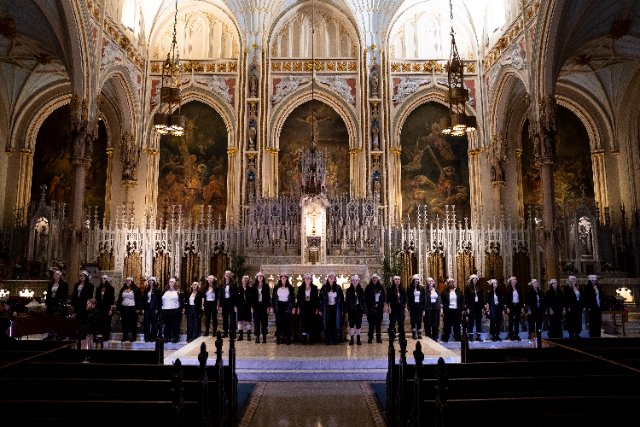
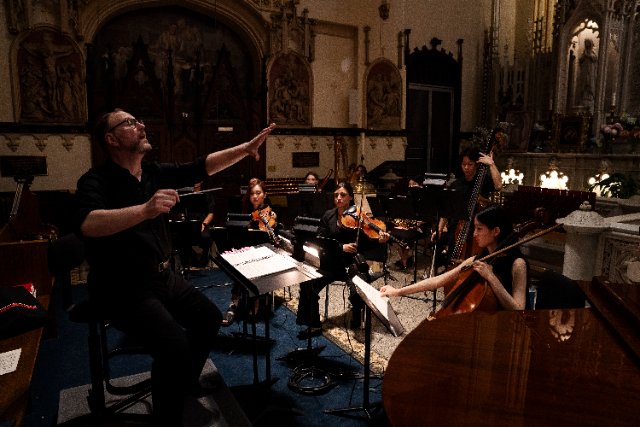
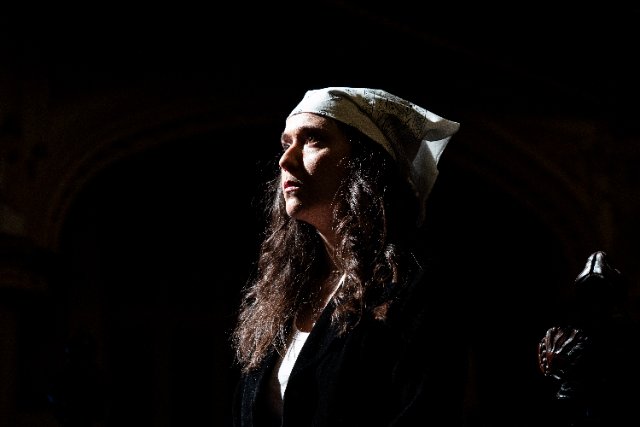
Mannes School of Music filled the nave of Our Lady of Good Counsel in New York with Giacomo Puccini’s Suor Angelica. Arguably the best music school in New York, Mannes produces wonderful operas and concerts week after week. They are offered free and are always a treat.
Puccini fashioned Suor Angelica as a musical take on Dante’s Divine Comedy, representing Paradiso.This standalone performance of Suor Angelica made the best dramatic case yet again for a place at the top of the composer’s list, a work that struggled for a century to find its place in the repertoire of opera houses.
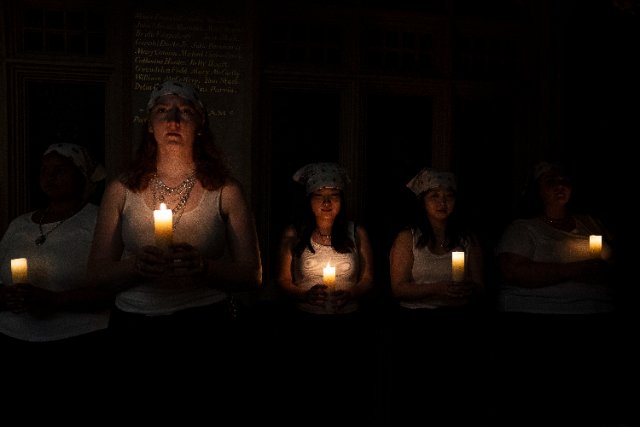
Mikhaela Mahoney directs and brings alive a space that could otherwise be simply static beauty. The chorus figures move constantly through the church and across the sanctuary, weaving, ducking, and sometimes whispering to each other. The eye is captivated. Puccini’s beat goes straight to the heart. Ms. Mahoney succeeds in illuminating the sisterhood and focuses on the compassion they feel for their sister Angelica’s anguish, despair, and grief.
Angelica was born an aristocrat and sent to a nunnery when she became pregnant out of wedlock. Years after her son’s birth, her aunt arrives to obtain Angelica’s signature so that her sister can inherit the family wealth. Angelica learns that her son died when he was five. Now her only wish is to join him in paradise. To get there, Angelica must violate a cardinal rule of the Catholic Church by ending her own life.
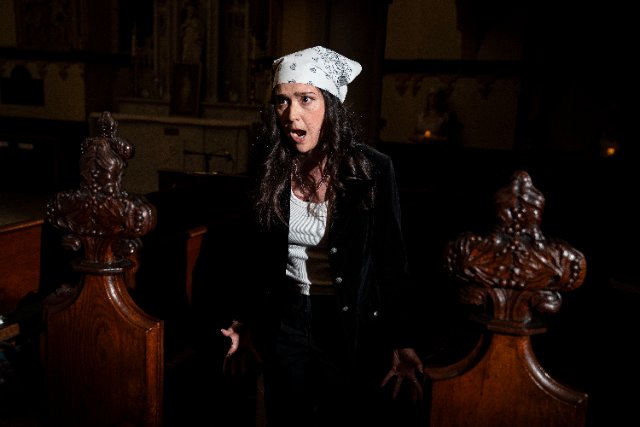
We are haunted by phrases from literature: Hamlet's admonition to “get thee to a nunnery,” or William Wordsworth writing that “the holy time is quiet as a nun, breathless with adoration”, and “nuns fret not at their convent’s narrow room.” Ms. Mahoney has reimagined the nuns as a queer enclave in Koreatown, Los Angeles, during the 1980s and 1990s. She interviewed the residents and remarked on their frequent use of the word utopia. What happens when a group of women committed to utopia come together? It creates a powerful expression of hope in the toughest of times.
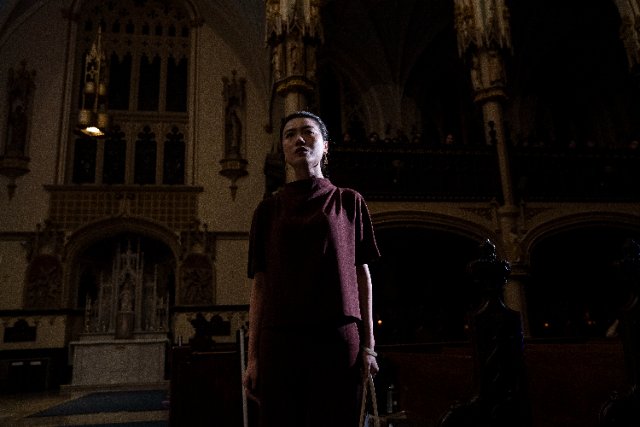
Lena Yasmin sings Angelica. Her voice is lyric, celestial, yet full-bodied. She shapes her phrases, sending them to us and the vaulted ceiling. Yiyang Zhang sings her aunt, the Baroness, who wants to settle the family estate. The maternal feeling that should center this relationship is clearly absent as she forces a signature from Angelica. All the voices are clear and resonant, honoring the composer and conveying a complex world where much is given up and so much is attained.All voices are clear and resonant.
Chris Frisco conducts the Mannes Orchestra, fully expressing the composer’s score.
Opera productions set in natural or realistic environments focus on authenticity which is not the primary draw in this case. We are in the exterior world of a sisterhood, a place of worship shared with the outside world. The opera speaks to the most intimate and soul-baring feelings. Yet the religious imagery, vaulted ceilings, and icons throughout the space color our thoughts, placing us closer to the subject and to Puccini’s music. We may be in a setting of external events, but Ms. Mahoney and Puccini have brought us close to the center of emotion.
Suor Angelica is today performed most frequently in its customary position within Il Trittico. This standalone evening swept us fully into the story and the Puccini score.