

Dishwasher Dialogues Brutality of Correctness
No Reservations
By: Gregory Light and Rafael Mahdavi - Oct 30, 2025
Dieu Me Pardonnera. C'est Son Métier.
Rafael: You knew about dishwashing because you worked in the kitchen, and you also made salads.
Greg: As life skills go, I could have done worse.
Rafael: And, as mentioned, I too, spent some weeks back in the kitchen with my hands deep in dishwater after we traded jobs. I was fed up with talking to the drunks at the bar, and you who have a knack for entertaining people with talk, wanted to try bartending. You could learn something new. It is, after all, a useful métier.
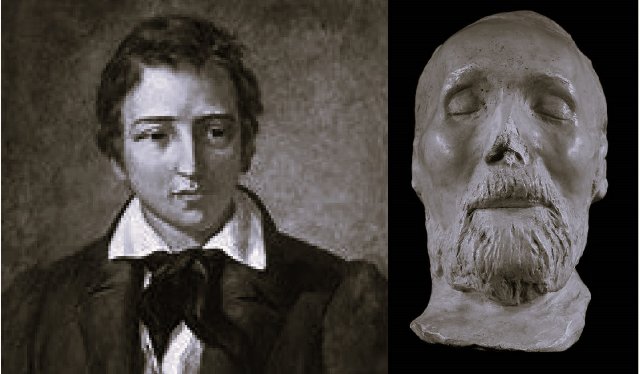
Greg: As a métier, bar tending did come in handy. Who doesn’t have to deal with drunks from time to time? It served me well later also, after I left Paris for London. Kept me alive for a few more years. It left the day open for writing and fed and entertained me in the evening. For a couple of months, it even provided a pub roof under which to sleep. As métiers go it is far down the list from that in Heine’s Parisian death bed whisper—Dieu me pardonnera. C’est son métier, which hung above my desk in Paris for many years—but sweeter than the sink.
Rafael: Conversation was your thing as they say, plus you wrote plays. You knew something about dialogue.
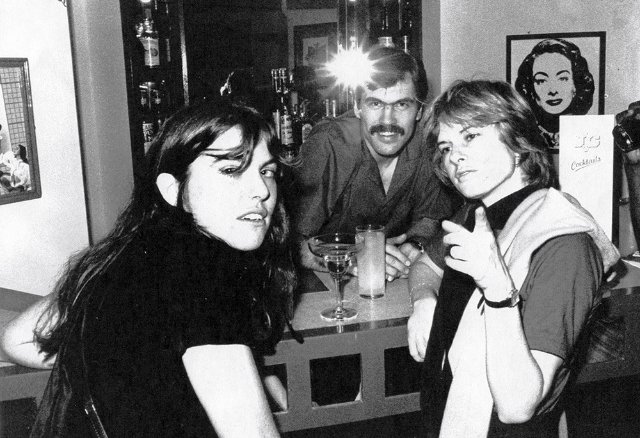
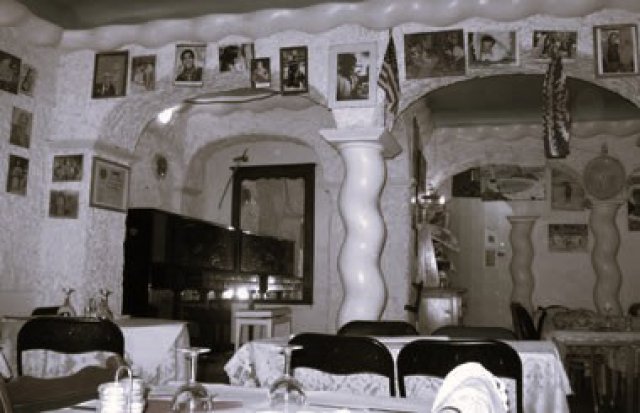
Greg: Much of bartending at Chez Haynes was about words, about the conversation, the ‘craic’ as the Irish say. It was also about theatre. The place was dressed like a stage and there were people coming and going, making their entrances and exits all through the night. With just a comment thrown in here and there, suddenly there was a real entertainment. And the restaurant’s reputation allowed for it. From the moment people entered.
You will remember the barman was responsible for taking reservations. The phone rang as soon as we arrived for work and continued most of the evening. Over and over, we would answer the phone and say exactly the same thing: “Chez Haynes. Bonsoir”. It was ingrained in our heads. So much so that even on our day off it haunted us. I remember the night that I call ‘tequila night’ almost as much for your morning greeting as for the night itself. But more of that later.
Rafael: I sometimes asked myself: Was this my new identity? Chez Haynes? As identities go it wasn’t bad. Now, in geezer-hood I am still trying to figure that one out. Finding myself, I mean. I know this is coming from left field, but before we started this dialogue we said, if it’s important to one of us, well, we’ll talk about it, now, here.
Greg: Absolutely.
Rafael: I don’t want to find myself. Guys who find themselves tend to be boring. Suddenly you know yourself, you have an opinion on everything, you’ve found yourself. That’s a euphemism, usually for he’s got character, which is another euphemism for he’s a fucking bore.
Greg: I doubt either of us has ever been accused of having ‘character’. Not the respectable kind. Maybe of playing a character or two. And not always for the good. For me taking a ‘Chez Haynes’ reservation was a good moment for distraction and entertainment. When I asked the caller when and what name the reservation was for, they would give me the date and time (usually that same evening) and their name—Monsieur Badeaux, or whatever. I would ask them to hold a moment, then come back to them and say, I am sorry, but I am unable to take a reservation tonight for anyone whose name begins with a B. Maybe tomorrow night or later in the week. They were usually astounded and would say something like ‘Mais, c’est pas possible. C’est fou!’ and I would explain that it was worth more than my job to go against my patron’s wishes. He is eccentric, believes in a kind of égalité de réservation par alphabet. Most of our Parisian customers knew enough of the Leroy myth to accept that this might possibly be true. It was an American restaurant after all. Soul food. Unusual, by definition. I would then ask if they could give me a name with a different first letter and after another moment of ‘c’est fou’, they would give me another name, say Gagneux, and I would confirm that G worked for that day.
Greg: Later, in the evening when they arrived at our door, I would ask if they had a reservation and they would say ‘Oui, pour Monsieur Gagneux’. I would look at our reservation book, flip a few pages, then look back at them and say ‘I’m sorry we have no reservation for Gagneux for this evening’. They would either begin to protest or just look at me disbelieving. At which point I would say ‘we do, however, have a reservation for a Monsieur Badeaux.’ There usually followed a silent wide-eyed ‘c’est vraiment fou’. Mercifully, every time I did this, nobody protested further or got angry. Unusual for Parisians. But after a second, most laughed. Cheerfully. They were relieved and often shared the joke with their dinner party. As if it was all part of the experience of this strange restaurant up at the top of the ninth arrondissement, just shy of the most famous red-light district in Europe. I like to believe the relief made their evening more fun, and I am certain I sold more wine.
Rafael: Nowadays you’d get fired, for pulling such a stunt. Everyone is way too sensitive these days about such things. Political correctness gone haywire.
Greg: Possibly. But as correctness goes, political correctness has always looked preferable to traditional correctness which has a brutal legacy of inequity and coercion. I continued my hoax for a few months, once or twice a night, and not with expats, always with Parisians. The regulars at the bar caught on as did the waitresses and they all played along. I don’t think Leroy knew. He never mentioned it. Although I like to think he would have appreciated the sheer theatricality of the moment.
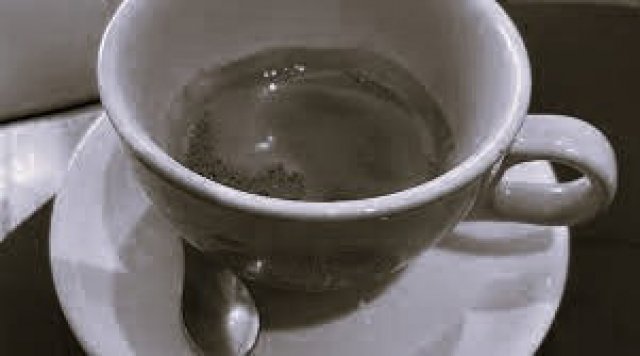
Rafael: Another thing I remember well was that when the waitresses didn’t like some of the clients, they gave them double-dose strong coffee when they asked for decaf. When the clients asked if this decaf was for real, the waitresses took on a surprised look. They’d say, ‘oh yes siree, we have this very special decaf for the espresso machine, fantastic stuff, no caffeine at all, but it tastes exactly like real coffee’, and the client shut up.
Rafael: Once back in the kitchen, the waitress would mumble ‘that’ll show the cocksucker.’ And Don would add, ‘you show ‘em, girl.’
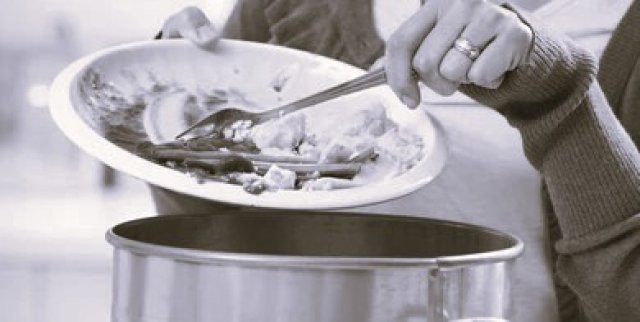
Greg: Revenge theatre. (Just one of the many ‘theatres’ that invaded Paris back then.) Nevertheless, like any good theatre, there were lots of moments where the audience had to suspend belief. Maybe, it wasn’t always a decaf, maybe the leaves of lettuce were not always perfectly fresh, and maybe the Norse goddess sometimes insisted the barely touched potato salad, or the rice (minus the Gauloise ash) be recycled from one plate to the next. The ambiance was still the same. It was an American restaurant in Paris. If anything, I think it added a touch of authenticity. Besides, ‘Dieu nous pardonnera. C’est son métier.’